The Role of Music in Movies and TV Shows
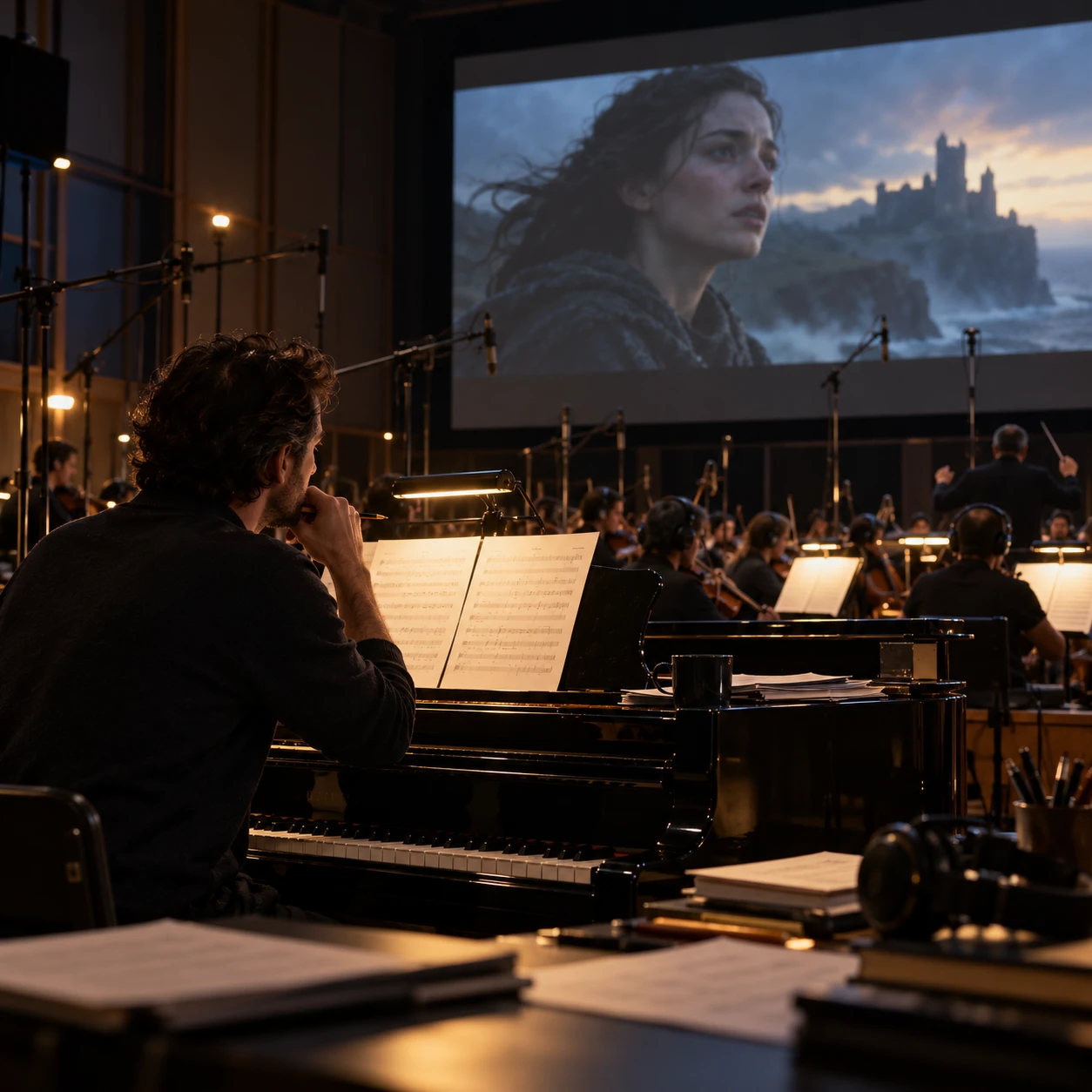
A quiet piano note can make a reunion feel tender; a familiar pop song can turn a drive across town into a moment viewers remember for years. In movies and TV shows, music helps audiences read a scene, connect with characters, and sense when a story is about to change. It may sit beneath the dialogue, take center stage, or linger in memory long after the credits roll.
That influence comes from a mix of original compositions and carefully chosen songs. Together, they make screen music a storytelling tool—and a powerful way for artists and audiences to find one another.
How Music Shapes a Scene
Music shapes a scene by setting its emotional tone, directing attention, and influencing how viewers interpret what they see. A score can make a familiar setting feel safe, unsettling, romantic, or full of danger before a character says a word.
Film scores often work through pace and contrast. A slow, sustained note can stretch a moment of uncertainty; quick percussion can make a chase feel urgent. A warm melody may soften a character’s expression, while dissonant sounds can make an apparently ordinary room feel threatening. Music rarely dictates one precise reaction, but it gives viewers cues about where to place their attention.
Silence matters, too. When a score drops out, the sudden absence can make footsteps, breathing, or a line of dialogue feel unusually exposed. The contrast is especially effective when a scene has previously relied on music. Screen sound works as a whole: the score, songs, dialogue, and effects all shape what the audience hears.
The emotional result depends on context. A cheerful song over a troubling image can create unease rather than happiness. That mismatch can be more revealing than a straightforward cue, but it also risks confusing viewers if the contrast has no connection to the story.
Score vs. Soundtrack: What’s the Difference?
A film score is music composed or adapted to support a screen story, while a soundtrack can refer to the music heard in a production or to a released collection of its songs and score. The terms overlap in everyday conversation, but they describe different things.
An original score is written for a particular film or show. It may use a full orchestra, electronic textures, solo instruments, or a blend of styles. The composer can shape the music around a character’s journey, a scene’s timing, or the production’s larger sound. An original score is usually designed to work alongside dialogue and effects rather than compete with them.
A soundtrack, in the broader sense, includes music selected for the production. That can mean existing recordings, songs commissioned for the project, and original score cues. A soundtrack album is a separate release, and it may include only some of the music heard on screen. Rights, album plans, and practical limits can all affect what makes the final track list.
- Original score: music created or tailored for the production.
- Song selection: existing or newly recorded songs placed in scenes.
- Soundtrack album: a commercial release that gathers selected screen music.
A needle drop is the use of a pre-existing recording at a specific point in a scene. Unlike a score cue, it arrives with its own history: listeners may associate the song with a particular era, artist, or personal memory.
Music as a Tool for Storytelling
Music supports storytelling by connecting recurring themes to characters, ideas, and turning points. When a melody changes as a character changes, viewers can feel the development even before the plot explains it.
A composer might give a character a short musical motif, then alter its rhythm, harmony, or instrumentation as the story unfolds. A bright theme heard early in a series could return later in a slower, more fragile form. The familiar shape signals continuity; the change in sound suggests experience, loss, or a new choice. This is one way music contributes to character development without adding dialogue.
Songs can carry narrative meaning through lyrics and cultural associations. A character singing along may reveal comfort or confidence, while a lyric heard in the background can comment on a scene. But the fit needs care. If a song’s words explain exactly what the visuals already show, the effect can feel heavy-handed. Sometimes a song’s mood or history matters more than its literal lyrics.
Musical shifts can also mark changes in point of view, time, or reality. A familiar theme may return in a different style to show that a character now sees the world differently. These choices deepen emotional storytelling by giving the audience another layer to interpret.
The People Behind Screen Music
Screen music takes shape through collaboration between composers, music supervisors, directors, editors, performers, and producers. Their work connects the story’s creative needs with the practical realities of recording, timing, and rights.
The composer creates or adapts music for the production, often working from conversations with the director and viewing edited scenes. They may write themes, build a sound palette, and revise cues as cuts change. The music editor helps fit those cues to the timing and transitions of the picture. A strong score can still require adjustment when a scene is shortened or a line of dialogue moves.
The music supervisor helps shape the overall music strategy. Depending on the project, that can include finding songs, proposing artists, coordinating with the composer, managing music budgets, and guiding licensing through the appropriate channels. They consider both creative fit and whether the production can secure the needed rights.
Artists and performers also contribute directly. A production may commission a new song, invite an artist to record a cover, or license an existing master recording. Each option has a different sound and set of rights considerations. The choice can introduce viewers to new work, bring an artist’s perspective into a story, or give a familiar track a fresh context.
Why a Song Can Make a Scene Memorable
A song can make a scene memorable by binding its images to a recognizable sound, a particular era, or a strong emotional association. When the moment works, hearing the song later can bring the scene back in an instant.
A needle drop can also give a sequence its own rhythm. The song’s beat may shape the editing; its mood may undercut a character’s behavior; its lyrics may add an unexpected point of view. In a TV episode, a well-placed track can become part of the show’s identity, especially when it returns across episodes or marks a major turning point.
Song placement can open a door between screen stories and music discovery. Viewers may seek out an artist after hearing a track in a film, or reconnect with a song they already know. For artists, the exposure can bring new listeners, though a placement alone does not guarantee lasting attention. The scene, promotion, availability of the recording, and audience interest all play a part.
There is a trade-off: a famous song arrives with strong associations, which can quickly establish time or mood, but those associations may distract from the characters. A lesser-known track offers more room for discovery, yet may need a little more context to land. The best choice serves the scene first.
Choosing and Licensing Music for Screen
Choosing music for a production means finding a creative fit and confirming that the necessary rights can be cleared. A great song is not usable simply because it matches the scene; the production must also account for cost, timing, and how the music will be distributed.
Music supervisors and producers typically consider the scene’s purpose, audience, budget, and release plans. They may compare a well-known recording with an emerging artist’s song, a cover version, or an original composition. Each option changes the sound and the clearance process. A cover may require different permissions from the original recording, while an original score has its own production and contractual arrangements.
For an existing recording, licensing commonly involves permission for the composition and for the specific recording. The rights holders, permitted uses, territories, and distribution plans matter, and requirements vary by project and jurisdiction. A song cleared for one use may not automatically be cleared for another, such as a trailer or a new cut. Productions should consult qualified rights and legal professionals early, rather than assume a track can be added at the end.
Creative teams can use a simple three-part test:
- Story: Does the music reveal character, sharpen mood, or move the narrative forward?
- Sound: Does it fit the dialogue, pacing, and overall musical identity of the production?
- Clearance: Can the rights be secured for the project’s intended release and uses?
Starting with all three questions keeps music from becoming a late-stage decoration. It also gives composers, supervisors, and artists more time to find an approach that feels right on screen and works in practice.
Frequently Asked Questions About Screen Music
Screen music can be original, pre-existing, or a combination of both; its purpose is to help viewers experience and understand the story. These answers cover common questions about scores, songs, and the people who bring them together.
What is the difference between a film score and a soundtrack?
A film score is music written or tailored to support a production. A soundtrack may mean all the music used in the film or show, or a separate album that collects selected tracks. In everyday use, people sometimes use the words interchangeably.
What does a music supervisor do?
A music supervisor helps plan and coordinate music for a production. The role can include song recommendations, artist and rights-holder coordination, licensing discussions, and collaboration with the director and composer.
Why do movies and shows use familiar songs?
Familiar songs can quickly evoke a time, place, mood, or shared memory. They also bring an artist’s existing identity into a scene, though the song still needs to fit the story and be cleared for the production’s intended use.
How does music influence a scene?
Music affects how viewers interpret a scene by shaping mood, pace, tension, and emotional emphasis. A score or song can guide attention, add meaning, or create contrast with the images and dialogue.