The Impact of Social Media on Artist-Fan Relationships
Evolution of Artist-Fan Relationships in the Digital Age
Artist-fan relationships have shifted from one-way communication to interactive, real-time connections thanks to social media platforms. While traditional interactions involved concert appearances, fan mail, and media interviews, today fans and artists engage directly through digital channels that foster immediacy and intimacy.
In the past, audiences mostly received curated content controlled by managers or record labels. Now, social media enables artists to bypass intermediaries, creating personal connections by sharing daily moments, thoughts, and creative processes. This evolution has redefined fan engagement, making relationships more authentic, participatory, and ongoing.
This transformation reflects broader changes in digital culture, where fans expect access not just to music but to the artist’s personality and journey. Understanding this shift helps contextualize the immense impact platforms like Instagram, TikTok, Twitter, and YouTube have on the music industry’s landscape.
Key Social Media Platforms Shaping Artist-Fan Engagement
The primary social media platforms that shape artist-fan relationships include Instagram, TikTok, Twitter, and YouTube, each offering unique ways to interact and promote music.
Instagram facilitates visual storytelling with photos, Stories, and Reels, allowing artists to share behind-the-scenes glimpses and engage fans through instant feedback. TikTok has revolutionized music promotion with viral short videos that blend performance, trends, and user-generated content, often propelling songs to global fame.
Twitter encourages direct and rapid conversation, enabling artists to respond to fan messages, share thoughts, and build community through conversations and hashtags. Meanwhile, YouTube supports long-form content such as music videos, vlogs, and live streams, creating immersive digital fan experiences.
By leveraging the strengths of these platforms, artists bridge gaps in communication and expand their reach while fans feel more connected and involved in the artistic process.
Benefits of Social Media for Artists and Fans
Social media offers immediacy and accessibility that benefit both artists and fans, creating new avenues for fan engagement and music promotion.
For artists, real-time feedback and direct communication enhance personal branding by showcasing authenticity beyond studio recordings. Platforms enable targeted promotion that’s cost-effective compared to traditional marketing, allowing emerging and established artists to grow their audience globally.
Fans gain unprecedented access through exclusive content, early releases, and interactive events such as live streams or Q&A sessions. Social media fosters fan communities where fans share opinions, create fan art, and participate in challenges, deepening emotional investment.
Furthermore, user-generated content amplifies artists’ reach as fans create and share remixes, choreography, or covers, often sparking viral trends. These interactive cycles bring vitality and freshness to the artist-fan dynamic.
Challenges and Risks in Social Media Artist-Fan Dynamics
Despite its advantages, social media introduces challenges like privacy invasions, online harassment, and pressure on artists to maintain constant content output.
Artists often struggle with maintaining boundaries as fans expect continuous updates, leading to burnout and mental health strains. The informal tone of social media can blur personal and professional lines, sometimes causing PR missteps or unwanted controversies.
Additionally, negative fan interactions such as trolling or cancel culture debates pose risks to creative freedom and reputation. Privacy issues emerge when personal life details leak or are overshared unintentionally.
Recognizing these challenges helps artists balance engagement with self-care, and reminds fans to respect boundaries in digital spaces.
Examples of Effective Social Media Fan Engagement
Artists employ various tactics to strengthen fan relationships authentically and creatively. Popular strategies include:
- Q&A Sessions: Hosting live Q&A on Instagram or Twitter invites fans to ask questions directly, breaking down barriers and fostering intimacy.
- Behind-the-Scenes Content: Sharing studio sessions, tour life, or songwriting glimpses humanizes artists and builds excitement around new projects.
- Fan Contests and Challenges: Engaging fans in dance or cover challenges, often on TikTok, encourages viral participation and community involvement.
- Exclusive Drops and Announcements: Releasing teasers or exclusive merch through social media rewards loyal followers and sustains buzz.
- Collaborative Content: Featuring fan art or reactions showcases appreciation and encourages creative fan contributions.
For instance, singer-songwriter Billie Eilish frequently uses Instagram Stories to connect with fans in casual, unfiltered ways, while rappers like Lil Nas X have mastered TikTok trends to propel their music to viral success.
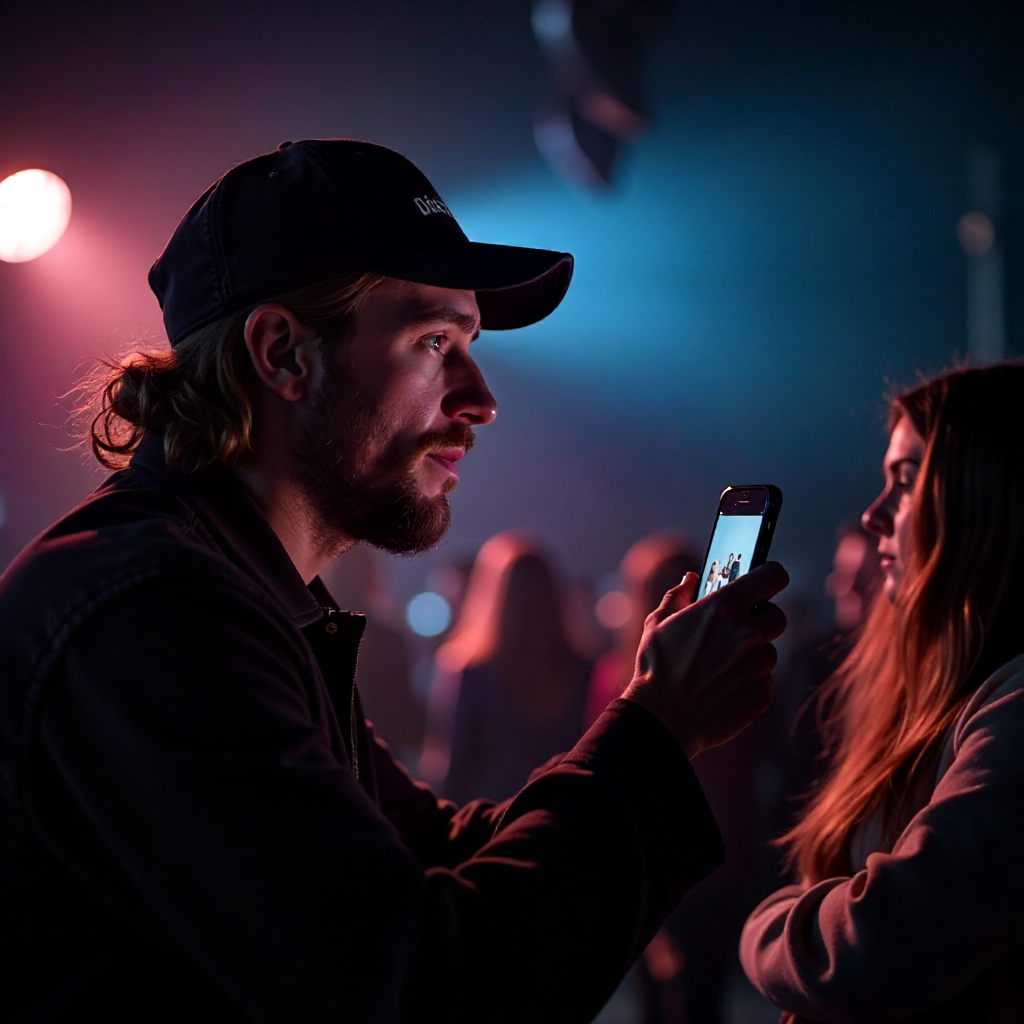
The Future of Artist-Fan Relationships with Emerging Digital Trends
Emerging technologies like live streaming, virtual reality (VR) concerts, and evolving online fan communities promise to deepen artist-fan bonds further.
Live streaming has already transformed concerts and fan events, making them accessible worldwide and interactive in real time. VR and augmented reality (AR) show potential to create immersive digital concerts where fans can experience performances from new perspectives.
Simultaneously, fan communities continue to evolve on platforms like Discord, fostering niche spaces for deeper engagement beyond mainstream social media. These spaces support peer connection alongside artist interaction, strengthening loyalty and shared cultural identity.
While these trends offer exciting opportunities, they require artists to adapt continually and navigate complex digital ecosystems where fan expectations and technological capabilities rapidly change.
Conclusion
Social media has profoundly transformed artist-fan relationships by enabling direct, immediate, and multi-dimensional interactions. Through platforms like Instagram, TikTok, Twitter, and YouTube, artists now connect with fans beyond music itself—sharing stories, personalities, and communities that elevate both creative expression and audience loyalty.
While challenges around privacy, mental health, and content demands persist, the benefits of dynamic fan engagement and innovative promotional tools have reshaped music culture at its core. Looking ahead, emerging digital trends will only deepen these connections, making social media an essential pillar in the evolving music ecosystem.
Frequently Asked Questions
How has social media changed the way artists connect with fans?
Social media allows artists to communicate directly and instantly with fans, sharing personal moments and creative processes without intermediaries. This shifts relationships from distant admiration to interactive dialogue and community building.
What are some common challenges artists face on social media?
Artists contend with privacy concerns, trolling, burnout from constant content demands, blurred personal-professional boundaries, and reputational risks—all requiring careful management to sustain healthy engagement.
Which platforms are best for artist-fan interaction?
Instagram offers visual storytelling; TikTok drives viral music promotion through trends; Twitter supports conversational engagement; and YouTube provides space for immersive video content and live streams—together they form a comprehensive toolkit for connecting with fans.
Can social media hurt artist careers?
Yes, if mismanaged. Overexposure, negative public interactions, or insensitive posts can damage reputation. However, thoughtful social media use strengthens careers by building loyal audiences and authentic branding.
How do fans benefit from social media engagement with artists?
Fans gain direct access to exclusive content, the ability to interact personally, early announcements, and a sense of belonging to fan communities—all enhancing their overall music experience.
For a deeper look at social media's impact on music culture, see the Wikipedia entry on social media and music.