The Evolution of Electronic Dance Music: From Underground to Mainstream
Origins of EDM: The Underground Rave Scene
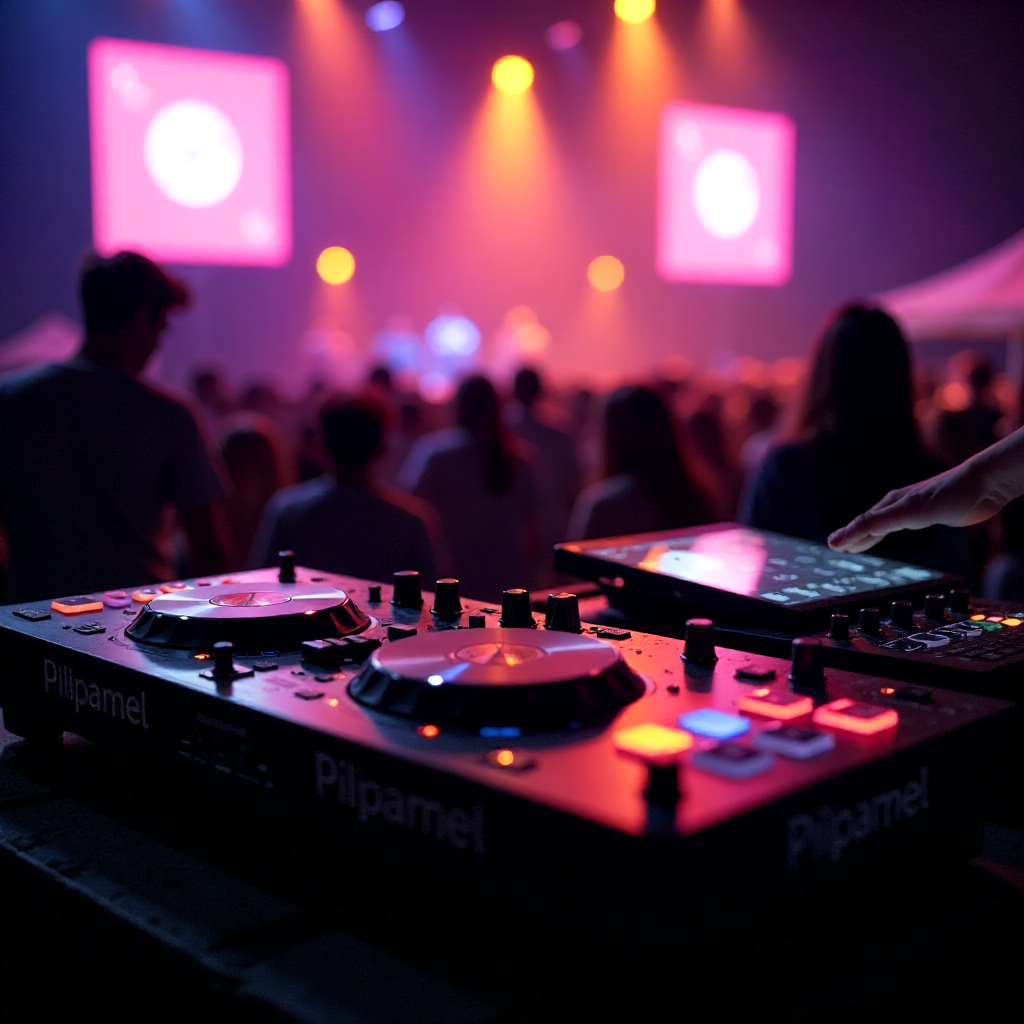
Electronic dance music (EDM) originated in the 1980s and 1990s as a vibrant underground rave culture focused on DIY parties and community-driven events. This grassroots movement laid the foundation for a genre defined by bass-driven electronic sounds and immersive communal experiences.
The underground rave scene grew largely in urban centers like Detroit, Chicago, and London, where early pioneers organized secret parties in warehouses, basements, and clubs. These events celebrated electronic beats as a form of liberation, often operating outside mainstream music industry norms or commercial venues. The spirit of inclusion and experimentation shaped EDM’s identity early on.
House music, born from Chicago’s club scene, and techno, emerging from Detroit’s experimental electronic scene, became the cornerstone subgenres driving these raves. Together, they cultivated a subculture that celebrated diversity, technology, and futuristic sounds.
The Rise of Iconic Subgenres
The core subgenres of house and techno formed the sonic backbone of early EDM, each with distinct stylistic elements that expanded the genre’s appeal and diversity.
House music features repetitive 4/4 beats, soulful vocals, and melodic basslines, evolving from disco and funk influences. It created dancefloor anthems that invited emotional connection and groove. Techno is characterized by mechanical, synthesized sounds and minimalist rhythms, emphasizing futuristic and industrial atmospheres.
From these foundations, new styles flourished:
- Trance took shape with uplifting, melodic progressions and hypnotic rhythms, popular in the 1990s European club scene.
- Dubstep emerged in the early 2000s UK underground with heavy bass drops and syncopated beats, influencing hip-hop and pop.
- Drum and bass pushed tempo and complexity with rapid breakbeats and deep basslines, rooted in British rave culture.
These subgenres diversified the EDM soundscape, allowing DJs and producers to explore new emotional and sonic territories, attracting broader audiences worldwide.
Key Artists Who Shaped the Movement
Several pioneering DJs and producers helped shape EDM’s global trajectory, blending innovation with cultural influence.
Carl Cox stood out as an emblematic figure in techno and house scenes, known for marathon DJ sets that energized crowds. His advocacy for underground culture preserved EDM’s roots as it grew commercially.
Daft Punk
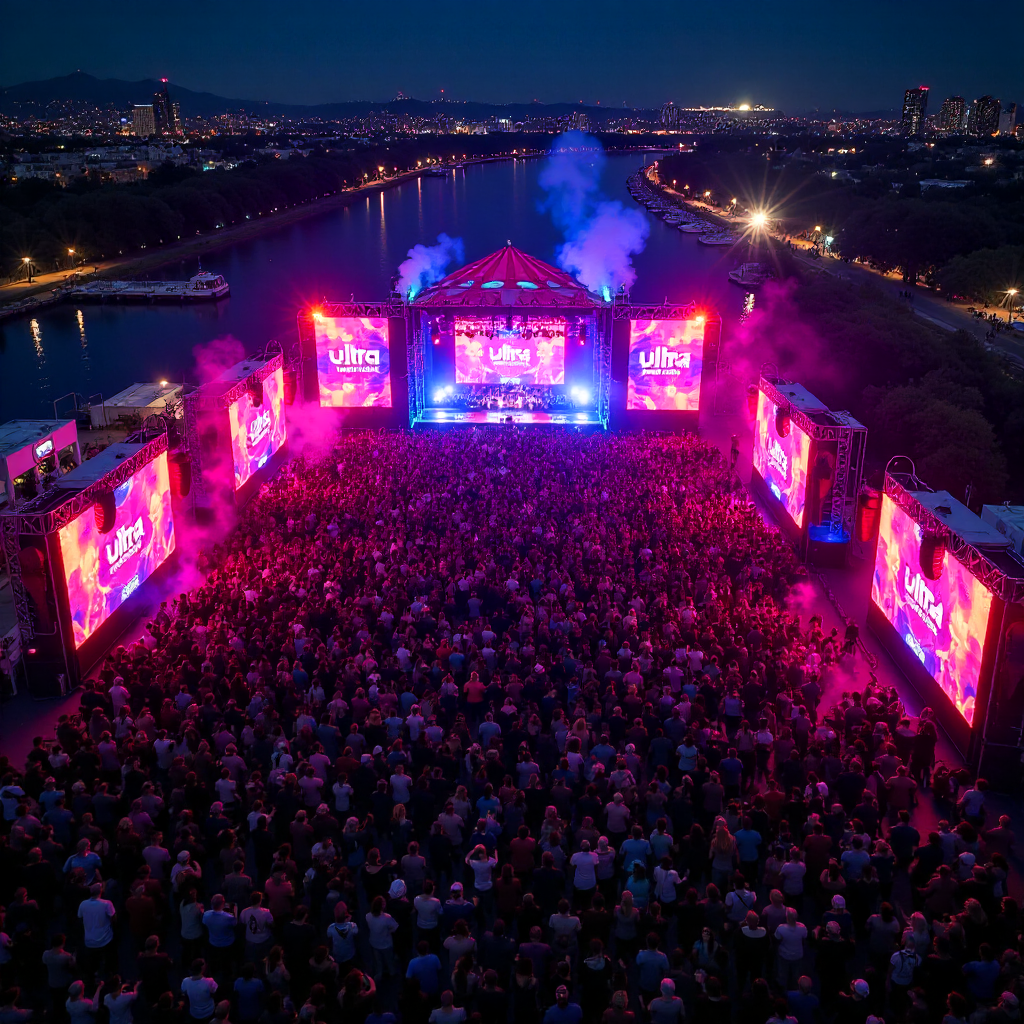
Tiësto transitioned from trance to mainstream EDM, consistently headlining major festivals and collaborating with top pop artists. His evolution illustrated EDM’s growing commercial appeal without abandoning dancefloor energy. Beyond these, artists like Armin van Buuren, Skrillex, and Paul Oakenfold expanded EDM’s palette through trance, dubstep, and progressive house, respectively. These figures symbolized EDM’s continuous reinvention and global appeal. EDM’s explosion into mainstream culture owes much to the transformation of music festivals and club scenes into massive, globally recognized platforms. Early clubs provided intimate spaces for EDM discovery; however, large-scale festivals like Tomorrowland and the Ultra Music Festival elevated EDM into grand theatrical productions. These festivals attract hundreds of thousands of fans annually and showcase diverse DJs and subgenres on immersive stages. Tomorrowland, held in Belgium, is famed for its elaborate themes and innovative stage designs, creating a fantasy world for electronic music enthusiasts. Ultra Music Festival in Miami propelled EDM further in the US market, consistently featuring top-tier lineups and broadcasting worldwide. This festival culture not only created economic ecosystems for EDM artists, promoters, and vendors but also catalyzed a global fan community united by shared experiences. It facilitated cross-pollination between underground credibility and massive audience reach, crucial for EDM’s rise. Technology has been central to EDM’s evolution, enabling new modes of music production, distribution, and consumption. Innovations in digital music production technology, such as synthesizers, drum machines, and computer-based digital audio workstations (DAWs), democratized music creation. Artists no longer relied on expensive studio time; instead, they crafted complex electronic compositions from home studios, accelerating creativity and genre innovation. The rise of internet platforms and streaming services further expanded EDM’s reach. Online communities and social media platforms allowed DJs and producers to share mixes, remixes, and original tracks widely, bypassing traditional music industry gatekeepers. This accessibility led to rapid dissemination of subgenre trends like dubstep and trap, while also fueling remix culture. Fans could access festivals live online, participate in virtual events, and discover emerging artists globally, enhancing EDM’s inclusiveness and dynamism. EDM’s transition into mainstream pop culture occurred through strategic collaborations, viral hits, and widespread media exposure. Landmark moments include collaborations between EDM producers and pop stars, such as Calvin Harris with Rihanna or Avicii’s fusion of electronic beats with singer-songwriter melodies. These pairings introduced EDM’s energy and production techniques to radio and chart audiences worldwide. The release of chart-topping singles like "Wake Me Up" and "Clarity" showcased how EDM hooks could resonate beyond club culture. Simultaneously, major labels invested heavily in EDM talent, increasing visibility on TV, commercials, and award shows. While some purists lamented EDM’s commercialization, this mainstream breakthrough enabled financially sustainable careers for many artists and expanded the genre’s fanbase dramatically. Choosing to embrace broad appeal meant balancing underground roots with mass consumption. Today, EDM continues evolving through hybridization, innovation, and cultural integration. Cross-genre experimentation blends EDM with hip-hop, pop, and even Latin music, reflecting diverse audience tastes. Subgenres like future bass and melodic techno blend emotive melodies with dancefloor rhythms, appealing to both casual listeners and longtime fans. Technological advances such as AI-assisted production and immersive live experiences using virtual and augmented reality signal promising new directions. However, challenges remain in maintaining artistic integrity amid commercial pressures. EDM’s future lies in balancing innovation, fan engagement, and honoring the underground values that gave birth to it. As the genre continuously adapts, its cultural significance as a vehicle for community, escape, and expression remains steadfast. Electronic dance music (EDM) is a broad genre of music created primarily with electronic instruments and digital production, designed for dance-based environments like clubs and festivals. It features repetitive beats, synthesized rhythms, and encompasses many subgenres such as house, techno, and trance. EDM transitioned from underground to mainstream through a combination of evolving subgenres, influential artists collaborating with pop stars, large-scale music festivals, and advancements in digital music technology enabling wide distribution. This growth propelled EDM into global pop culture while balancing its underground identity. Key pioneers include DJs and producers like Carl Cox, Daft Punk, and Tiësto, who shaped EDM’s sound and culture through innovation and global reach. Other influential figures include Armin van Buuren, Skrillex, and Paul Oakenfold. Festivals such as Tomorrowland and Ultra Music Festival transformed EDM into a global phenomenon by showcasing diverse artists, creating immersive experiences, and building international fan communities. They serve as both cultural hubs and platforms for genre evolution. Popular modern EDM subgenres include future bass, melodic techno, dubstep, trance, trap, and drum and bass. These styles reflect ongoing genre blending and innovation catering to a wide audience spectrum. For more detailed exploration, see the Wikipedia page on Electronic Dance Music.Festivals and Clubs: From Local Events to Global Phenomena
The Impact of Technology on EDM’s Growth
EDM’s Mainstream Breakthrough
Current Trends and the Future of EDM
FAQ
What defines electronic dance music?
How did EDM transition from underground to mainstream?
Who are some influential EDM pioneers?
What role do festivals play in EDM culture?
What are the popular subgenres of EDM today?