How Fan-Made Covers and Remixes Go Viral
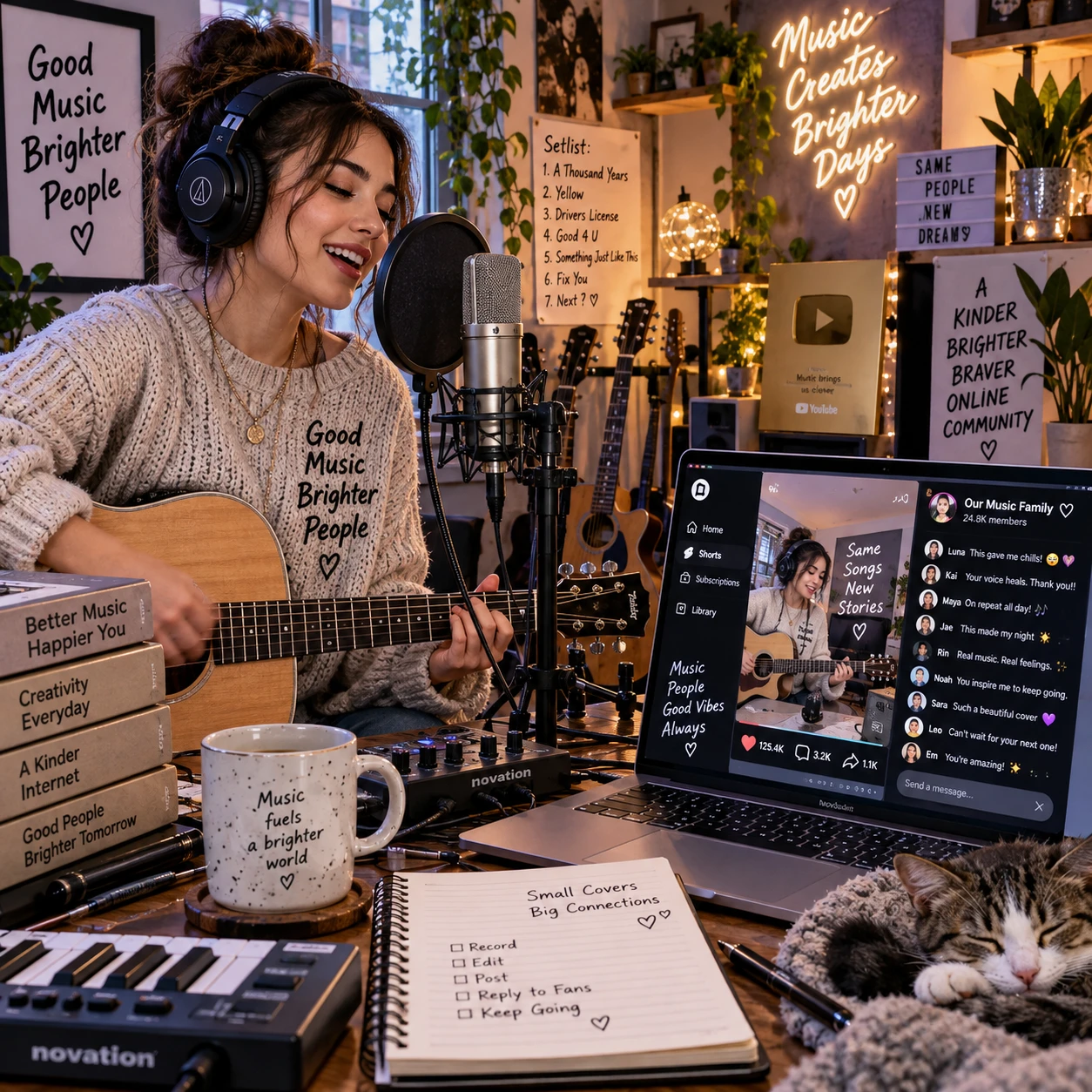
A fan-made cover can turn a familiar chorus into a quiet acoustic confession. A remix can give a well-known track a new pulse that listeners want to share. Neither version comes with a guaranteed audience, but the ones that travel widely often connect a strong musical idea with the right moment, platform, and community.
Understanding how fan-made content spreads means looking beyond view counts. Creative choices help a track stand out; social media platforms make it easy to circulate; and music communities give people a reason to pass it on. Rights and credit matter, too, especially when a version moves from a fan post toward a commercial release.
What Counts as Fan-Made Music?
Fan-made music is a listener-created version or reinterpretation of an existing song, such as a cover or remix, rather than a release officially commissioned or issued by the original artist or rights holders. These versions may be posted by independent musicians, producers, or fans who create for a community.
A cover song presents an existing composition in a new performance. The melody and lyrics may remain recognizable while the singer changes the genre, instrumentation, arrangement, or emotional tone. A stripped-back piano cover, for example, can make a dance-pop song feel intimate without changing its core melody.
A remix reshapes a recording or musical elements into a different version. A producer might alter the beat, tempo, structure, or sound palette, or build a new arrangement around vocals from the original. Remixing can involve sampling, which means using a portion of an existing recording. That distinction matters: a cover and a remix can involve different works and rights.
Official releases, by contrast, are authorized and distributed through the artist or label’s channels. A fan-made version might later receive an artist’s blessing or an official release, but that recognition does not automatically make every repost or upload authorized. Labels such as “unofficial” or “fan-made” explain the creator’s intent; they do not settle permission questions.
The Ingredients of a Shareable Cover or Remix
A shareable cover or remix pairs a recognizable musical idea with a fresh interpretation and a clear moment listeners want to replay. Strong performance and a focused hook help people understand the version quickly, though no combination guarantees virality.
Recognition gives a listener a foothold. A familiar lyric, melody, vocal line, or beat signals the source, while a creative change provides the surprise. That change could be a genre flip, an unexpected instrument, a new harmony, or a drop that transforms the mood. If the version copies every detail, it may feel redundant; if it changes too much, listeners may miss the connection that drew them in.
Performance counts as much as the concept. A singer’s phrasing, tone, and emotional delivery can make a familiar line feel newly personal. In a remix, timing, sound selection, and transitions can turn a short passage into a satisfying musical arc. The strongest hook might be a vocal entrance, a bass switch, or a clever pause, not necessarily a chorus.
Creators can use a simple recognition–reveal–reward test when shaping an idea:
- Recognition: Can a listener identify the source or its musical signature?
- Reveal: What changes in the cover or remix that makes this version distinct?
- Reward: Does the clip deliver a satisfying vocal moment, transition, or payoff quickly?
This framework helps with arranging and editing, not just promotion. A 20-second clip may catch attention, but the full track still needs a reason to hold it.
How Platforms and Fans Spread a Track
Social media platforms help fan-made music spread by making short clips, reposts, reactions, and remixes easy to discover and share. Streaming platforms can extend that discovery into full-length listening, but recommendation systems and audience response vary, so reach is never assured.
Short-form video often gives a track its first public test. A creator can pair the most distinctive section with a performance, a production breakdown, or a visual that shows the transformation. Viewers may then use the sound in their own videos, duet a performance, or add a response. Each use can place the music in a new context and introduce it to another slice of a fandom.
That circulation works best when the clip delivers something on its own. A long introduction may lose casual viewers before the hook arrives; an abrupt edit that cuts off the musical payoff can leave them unsatisfied. Try a few versions of the excerpt, then make sure the caption and artist credits are clear. Avoid implying that the version is official if it is not.
Reposts, creator mentions, fan accounts, and music communities can add momentum. A cover shared by a vocal community may reach listeners who care about technique, while a dance-focused fandom may respond to a remix’s beat. If listeners look for the full version, a streaming-platform upload or an accessible link can help, provided the creator has the necessary rights and the platform permits the use.
Playlists and recommendations may help sustain discovery, but they are not a substitute for audience interest. A clip can earn many views while the full version receives few plays. Creators should track more than one signal: repeat listening, saves, comments about the arrangement, and whether people follow through to the complete track.
Why Artists and Fandoms Matter
Artists and fandoms can amplify a fan-made version by giving it context, trust, and a path to new listeners. A repost or public reaction can bring attention, while fan identity motivates people to share a version that expresses what a song means to them.
For many fans, a cover or remix is a form of participation. They might share it because it highlights a lyric they love, updates a song for a new genre, or reflects the community’s sense of humor. That identity-driven sharing can carry a version farther than a generic promotional post because people are passing along something that says, “This is our song” or “You have to hear this take.”
Artist engagement can add another spark. A singer who comments on a cover, a producer who praises a remix, or an official account that reposts a clip can validate the creator and introduce the work to an established audience. Still, a reaction is not automatically a license, a contract, or permission to monetize. Creators should treat praise as recognition, not as a substitute for a rights agreement.
Collaboration can deepen that connection. Artists may invite a fan vocalist to perform, ask a producer to develop a remix, or feature a community-made arrangement in a live session. These opportunities can benefit both sides, but clear communication about credit, ownership, payment, and release plans helps prevent a warm exchange from becoming a dispute.
From Viral Moment to Lasting Audience
To turn a viral moment into a lasting audience, give new listeners a clear next step and a reason to return. Make the full version easy to find, share more work that shows your musical identity, and engage with people who respond.
A useful next step depends on the creator’s goal. If the clip is a cover, direct interested listeners to the complete performance where it can be shared lawfully. If it is a remix, offer a fuller preview or production notes when platform rules and rights allow. A pinned comment, consistent artist name, and readable credits can reduce the distance between discovery and a second listen.
Then build on what listeners actually respond to. Comments might praise a vocal arrangement, a particular transition, or the way a song’s mood changed. Use those reactions as evidence for what to explore next, not as a demand to repeat the same idea forever. A creator can follow a successful cover with an original song, another genre reinterpretation, or a behind-the-scenes clip that introduces the process.
Keep expectations realistic: a spike in views may fade, and platform algorithms can shift without warning. Watch for signals of deeper interest, such as saves, repeat plays, thoughtful comments, and people seeking out other tracks. Those signs are less flashy than a view total, but they can point toward an audience that will stay after the viral moment passes.
Rights, Credit, and Responsible Sharing
Creators should check the relevant permissions, platform rules, and credit requirements before publishing a cover or remix, especially when the work uses an existing recording or samples. Copyright can apply to both the underlying composition and the sound recording, and the rules depend on the use, location, and distribution method.
A cover generally uses the song’s composition, including its melody and lyrics, while a remix may also use audio from a particular recording. Permission to use one does not necessarily grant permission to use the other. Sampling is especially important to check: a recognizable piece of a released recording may require authorization from the relevant rights holders. This is general information, not legal advice; requirements differ across countries and platforms.
Before uploading or monetizing a version, consider these practical checks:
- Confirm whether the platform offers a licensing route for the specific use and territory.
- Do not assume that credit, a disclaimer, or a link to the original artist replaces permission.
- Check whether a remix uses the original master recording, sampled material, or only newly recorded performance.
- Keep records of permissions and agreements, particularly if an artist or label wants to distribute the track commercially.
Platform policies can affect availability, monetization, muting, and takedowns. A post that remains online today may be restricted later, and rules for short-form video can differ from rules for streaming or downloads. When a version attracts serious commercial interest, seek qualified guidance before agreeing to a release.
Frequently Asked Questions
What makes a cover or remix go viral?
A distinctive musical interpretation, a recognizable source, a strong hook, and timely sharing can help a cover or remix travel. Fan participation and artist engagement may add reach, but virality depends on audience response and platform distribution, so no formula guarantees it.
Do fan-made covers and remixes need permission?
It depends on the material, platform, location, and intended use. Covers and remixes can involve different rights, and using a recording or sample may require additional permission. Check the relevant platform terms and rights requirements rather than relying on credit alone.
Can an artist help a fan-made version reach more listeners?
Yes. An artist can comment, repost, collaborate, or feature a fan-made version, which may introduce it to existing listeners. That engagement does not by itself grant permission for commercial use, so rights and release terms should be handled separately.
How can creators build on a viral clip?
Make the full version easy to find, credit the original work clearly, and respond to listeners. Use audience feedback to choose a sensible next release or video, while avoiding the assumption that one high-view clip guarantees lasting growth.